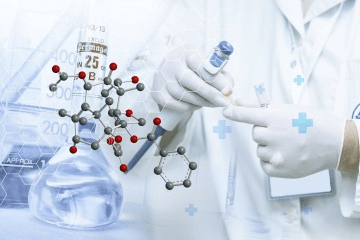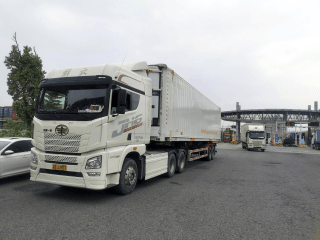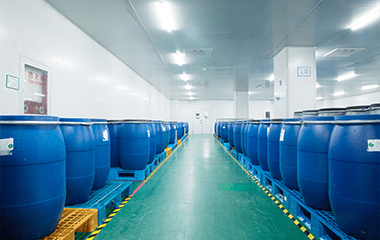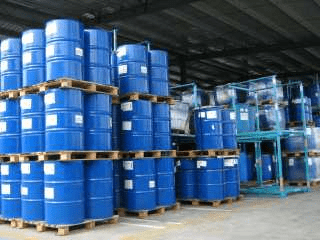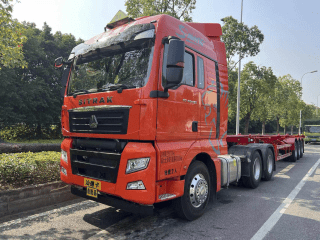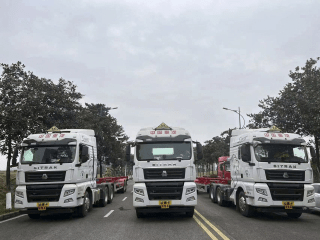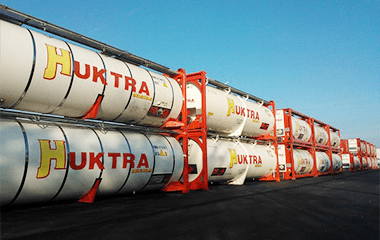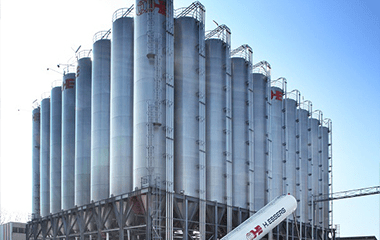



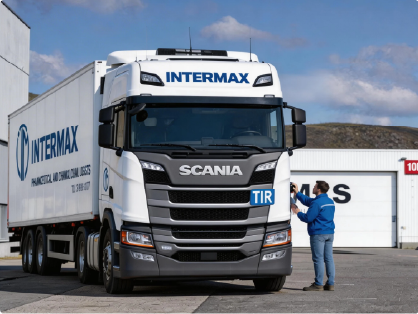
INTERMAX is committed to chemical goods transport services
INTERMAX provides sea, air, rail, and road transport services for non-hazardous chemicals, hazardous chemicals, and general cargo, including: cosmetics, liquids, powders, paints, inks, toners, coatings, adhesives, pharmaceuticals, intermediates, fragrances, medical devices, chemical additives, additives, pesticides, paint adhesives, dyes, and more.
Safety, environmental regulations, and hazardous goods transport are major challenges facing the chemical industry. INTERMAX is continuously improving its global multimodal logistics chain to meet these challenges head-on - working with you to develop innovative solutions. We continue to strive and explore ways to ensure all chemical goods can be transported safely and efficiently.
Specialized services for chemical goods include:
- Pre-shipment sample testing arrangements
- Customs code classification
- Collaboration with manufacturers to prepare professional hazardous goods packaging that meets transport requirements
- Review of Safety Data Sheets (SDS) and preparation of chemical labeling
- Import/export customs declaration and labeling for chemical goods
- Door-to-door service
- Shipment tracking and monitoring
- Stable transport capacity
- Competitive pricing
- Convenient and efficient multimodal transport network

Hazardous chemical exports - full-container, full-road transport model
Route: Domestic road transport (door pickup available) → Alashankou → Europe, and the five Central Asian countries (Kazakhstan, Kyrgyzstan, Uzbekistan, Turkmenistan, Tajikistan)
1. Hazardous goods we can accept:
- Class 1: Only 1.4 fireworks/firecrackers accepted
- Class 2: Compressed gases and liquefied gases
- Class 3: Flammable liquids
- Class 4: Flammable solids, spontaneously combustible substances, and substances that emit flammable gases when wet
- Class 5: Oxidizing agents and organic peroxides
- Class 6: Toxic substances
- Class 7: Radioactive materials
- Class 8: Corrosive substances
- Class 9: Miscellaneous dangerous goods
2. Hazardous goods we can warehouse:
Difluorochloromethane, nickel sulfate, methylene diphenyl diisocyanate (MDI), sodium hydroxide, boric acid, synthetic resins containing flammable solvents, paints, auxiliary materials, coatings and related products, calcium hypochlorite, aluminum chloride, xanthate, sulfur
3. INTERMAX transit time: Door-to-door transport
comparable to standard cargo transit time, approximately 18–20 days
4. Booking requirements:
Clients must provide the necessary documentation for standard hazardous goods export in advance, such as MSDS, hazardous packaging certificates, and inspection reports.
Hazardous chemical exports require booking at least 10 working days in advance. As our fleet with hazardous goods transport qualifications is limited and client demand is high, early scheduling is required to secure space.
Advantages of full-container, full-road transport:
- Three times faster than sea freight, 70% cheaper than air freight
- 20 years of international freight service experience, with cross-border road TAPA membership certification
- Low-cost domestic door pickup for greater convenience
- Strong border customs capabilities enable fast container swaps, ensuring efficient cross-border transshipment
- A well-established overseas network with transit times as fast as 9 days to Germany and the Netherlands - reliable, controllable, and highly efficient
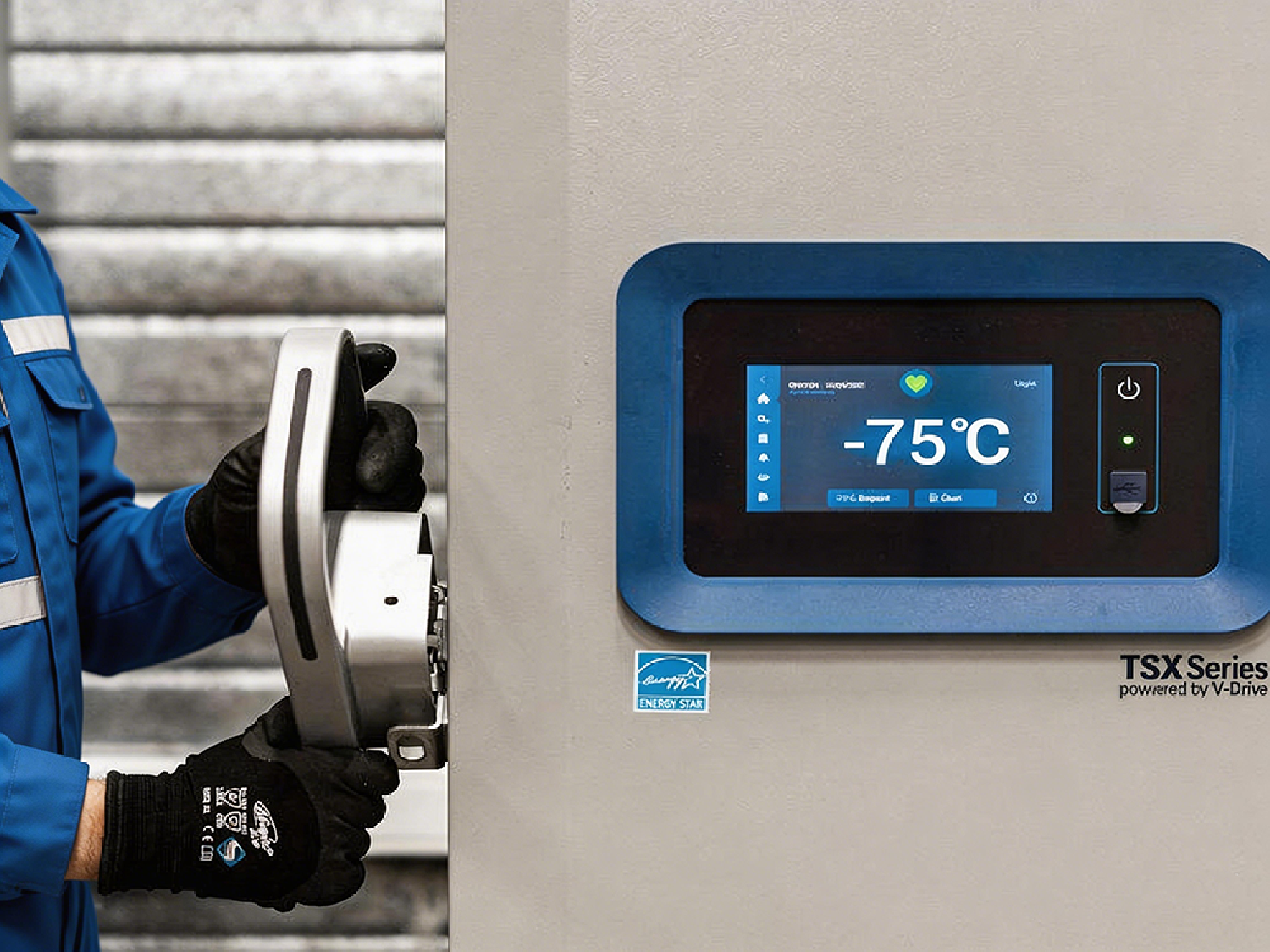
- Full cold chain transport capability, having served hundreds of pharmaceutical and chemical clients, with specialized expertise in hazardous chemical transport
- Visual Control Tower platform allowing clients to track shipments 24/7 for greater peace of mind
- Comprehensive high insurance coverage across domestic and international routes at 8.33 SDR/kg, ensuring safety